
Pupusas 101: A Guide to Making the Authentic Salvadoran Delight
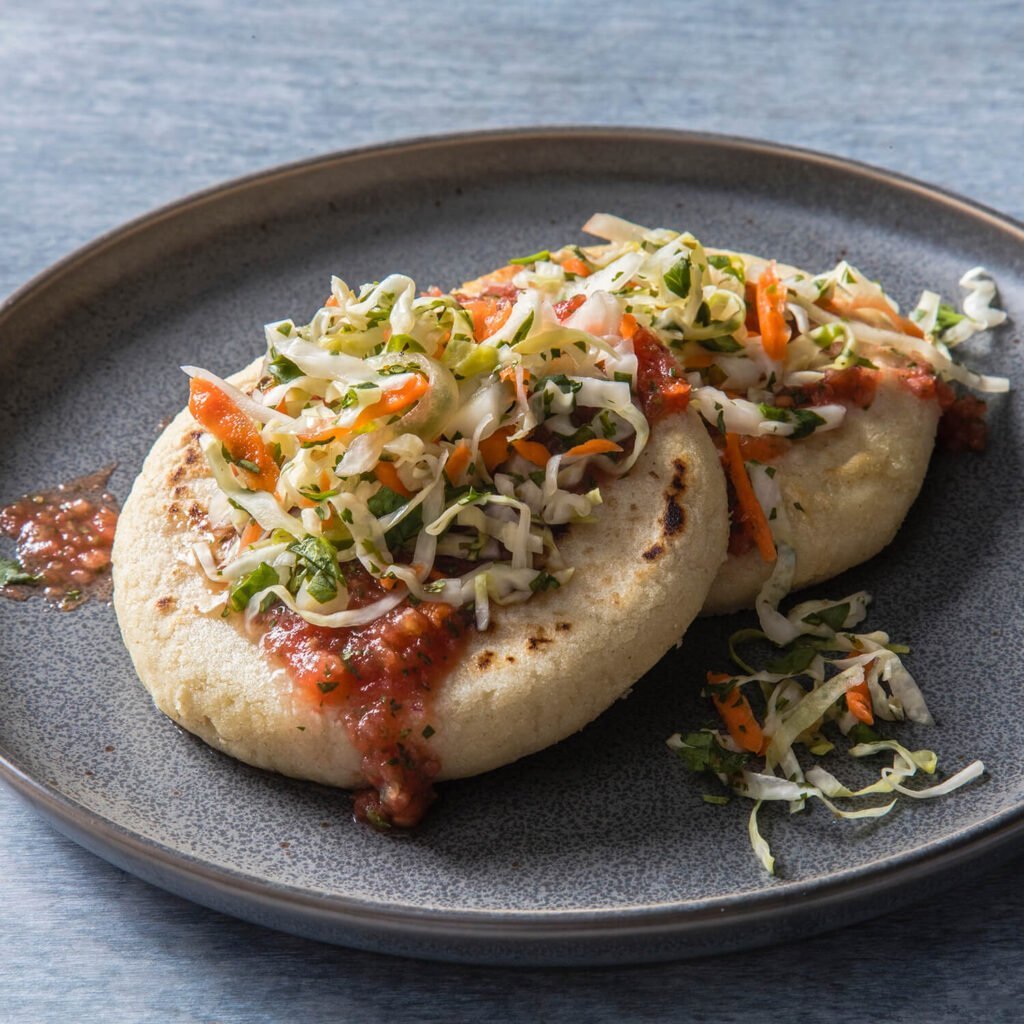
Pupusas recipe are a traditional Salvadoran dish that are loved all over Central America. These delicious and filling snacks are made from a masa dough that is filled with a variety of ingredients, such as cheese, meat, or beans, and then cooked on a griddle until crispy and golden brown. Pupusas are typically served with a tangy cabbage slaw called curtido and a spicy tomato salsa, and are perfect for any time of day. History of Pupusas Pupusas have a long and rich history that is tied to the indigenous people of El Salvador. The word “pupusa” is thought to come from the Nahuatl word “pupushahuatl,” which means “stuffed food.” The indigenous people of El Salvador used masa dough to make tamales and other snacks, but it wasn’t until the Spanish introduced cheese and other ingredients to the region that the modern-day pupusa was born. Pupusas have been a staple of Salvadoran cuisine for centuries, and are now enjoyed all over Central America and beyond. In 2005, the government of El Salvador declared the pupusa to be the country’s national dish. Recipe for Pupusas To make pupusas at home, you will need the following ingredients Pupusas Instructions Cooking Time for Pupusas The total cooking time for pupusas is about 15-20 minutes, including time for preparing the dough and filling, and cooking the pupusas on the griddle. However, the exact cooking time may vary depending on the heat of your griddle and the size of your pupusas. Tips for Making Perfect Pupusas Conclusion Pupusas are a delicious and filling snack that are beloved in Central America and beyond. With this recipe and tips, you can create your own perfect pupusas at home. Whether you’re looking for a quick snack or a full meal, pupusas are sure to satisfy your cravings and transport you to the vibrant and colorful world of Salvadoran cuisine. More Latin American Recipes
Tamales: A Traditional Mexican Delicacy and How to Make Them at Home

Tamales are a traditional Mexican dish made from masa (corn dough) filled with a variety of savory or sweet fillings and steamed in corn husks. They are a staple food in Mexican cuisine and are enjoyed as a delicious and satisfying snack or meal. In this blog post, we’ll explore the history and cultural significance of tamales, as well as provide you with a recipe and tips for cooking your own perfect tamales at home. History and Cultural Significance of Tamales The origin of tamales can be traced back to pre-Columbian times in Mexico. The indigenous peoples of the region were the first to make tamales using corn dough and fillings made from various meats, vegetables, and chilies. Tamales quickly became a staple food in Mexican cuisine, and their popularity spread throughout Central and South America. Tamales have a special place in Mexican culture and are often associated with celebrations and special occasions. They are also a food of the people, and their affordability and portability make them a popular street food throughout Mexico and beyond. The Tamales Cooking Process Making tamales is a labor of love that requires time and patience, but the end result is well worth the effort. The process of making tamales involves three main steps: preparing the masa, making the filling, and assembling and steaming the tamales. The masa is made by combining masa harina (corn flour), lard or shortening, baking powder, and chicken or vegetable broth. The mixture is then whipped until light and fluffy to make a smooth and pliable dough. The filling can be made from a variety of ingredients, including meats, vegetables, cheese, and chilies. The masa is spread on soaked and softened corn husks, and the filling is added to the center. The husks are then wrapped and folded to create a compact package, and the tamales are steamed for about an hour until the masa is cooked through and the filling is hot and tender. Tamales Recipe Here is a basic recipe for tamales, although there are many variations, and each family may have their own secret techniques and ingredients: Tamales Ingredients Tamales Instructions Tamales Cooking Tips More Mexican Recipes
The Art of Asado: Grilling the Perfect Argentine Barbecue

Asado, also known as Argentine barbecue, is a beloved dish in Argentina and other South American countries. It’s a type of outdoor cooking that involves grilling meat over an open flame, often with a chimichurri sauce as a condiment. Asado is a cultural tradition that brings families and friends together, and it’s not just a meal, it’s a social event. In this blog post, we’ll explore the history and traditions of asado, as well as provide you with a recipe and tips for cooking your own delicious asado. History and Traditions of Asado Asado has a long and rich history in South America, dating back to the early Spanish colonizers. They brought with them the tradition of using open flame cooking and roasting meat over a fire. The indigenous peoples of the region also had their own methods of cooking meat over an open flame, which they adapted to the Spanish tradition. Asado is now a national dish of Argentina, and it’s also popular in other South American countries such as Uruguay, Paraguay, and Chile. It’s more than just a meal, it’s a social event that brings people together to celebrate life, share stories, and enjoy each other’s company. The Asado Cooking Process The process of cooking asado involves building a fire, usually with wood or charcoal, in a specially designed grill called a parrilla. The meat is then placed on the grill and cooked slowly over the open flame, sometimes for several hours. The goal is to achieve a delicious smoky flavor and a crispy outer layer while keeping the inside tender and juicy. The types of meat used in asado vary, but some of the most common cuts include beef short ribs, flank steak, sausage, and sweetbreads. The meat is often seasoned with only salt and pepper to let the natural flavors shine through, but some asadores (grillmasters) also use other seasonings and spices. Chimichurri is the most popular condiment served with asado. It’s a sauce made with parsley, garlic, vinegar, and olive oil, and it’s perfect for dipping the meat or drizzling over it. Asado Recipe Here’s a basic recipe for asado, although there are many variations, and each asador may have their own secret techniques and ingredients: Asado Ingredients Asado Instructions & Preparation Asado Cooking Tips More Latin American Recipes More Argentinian Recipes Follow Us on Instagram
The Ultimate Guide to Making Feijoada: Recipe and Tips for a Delicious Brazilian Stew
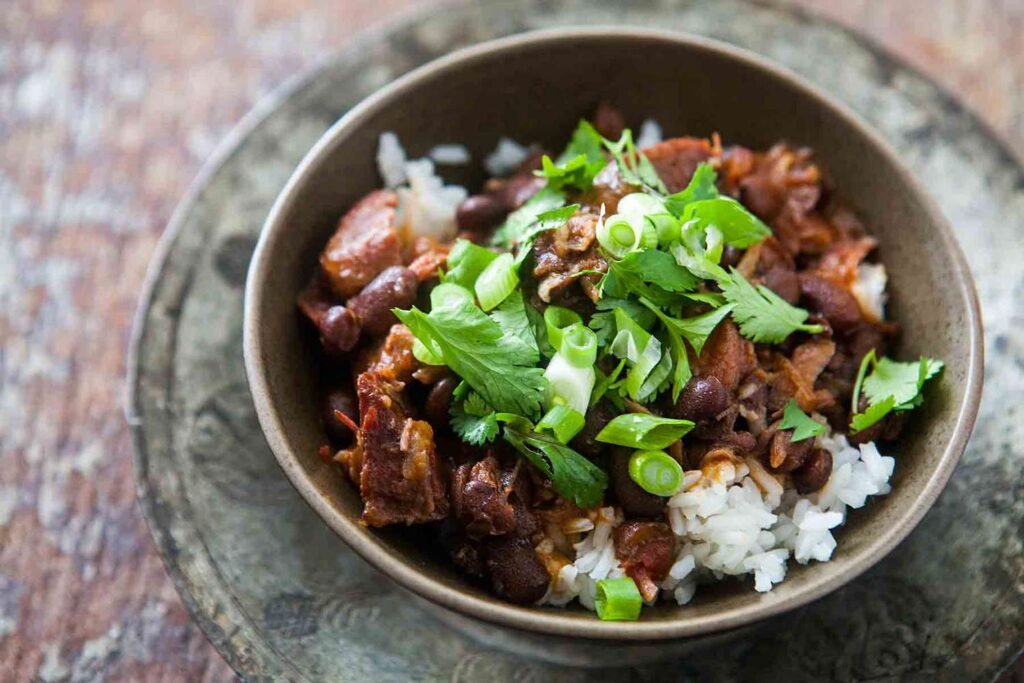
Feijoada is a traditional Brazilian dish that is popular throughout the country. It is a hearty stew made with black beans, various cuts of pork, and other ingredients. The dish is typically served with rice, farofa (a toasted manioc flour mixture), and orange slices. In this blog post, we will explore the history of feijoada, provide a step-by-step recipe for making it, and give tips for cooking it to perfection. History of Feijoada The origins of feijoada are not entirely clear, but it is believed to have originated in the northern regions of Brazil in the 16th century. At that time, Brazil was a major producer of sugar, and many African slaves were brought to the country to work on the sugar plantations. Feijoada was a dish that the slaves would make using the scraps of meat that the plantation owners did not want, such as pig’s feet, tails, and ears. The slaves would cook the meat with black beans and other ingredients to create a hearty stew that would sustain them through the long days of labor. Over time, feijoada became a beloved dish throughout Brazil, and it is now considered a national dish. Today, the dish is typically made with higher-quality cuts of meat, such as sausage, bacon, and pork ribs, as well as black beans and other ingredients. Feijoada is often served at large gatherings and celebrations, such as weddings, birthdays, and national holidays. Recipe for Feijoada Making feijoada at home is a labor-intensive but rewarding process. Here is a step-by-step recipe for making delicious feijoada: Feijoada Ingredients Feijoada Instructions & Recipe Tips for Cooking Feijoada Cooking feijoada requires patience and attention to detail, but the result is a delicious and satisfying meal that is perfect for sharing with family and friends. Here are some tips to help you get the most out of your feijoada: In conclusion, feijoada is a delicious and hearty Brazilian stew that has a rich history and is beloved by many. By following the recipe and tips provided in this blog post, you can make your own feijoada at home and share it with your loved ones. So why not give it a try and experience the flavors of Brazil in your own kitchen? More Latin American Recipes More Latin American Recipes More Brazilian Recipes Follow Us on Instagram
Arepas a delicious and versatile staple in Latin American cuisine.
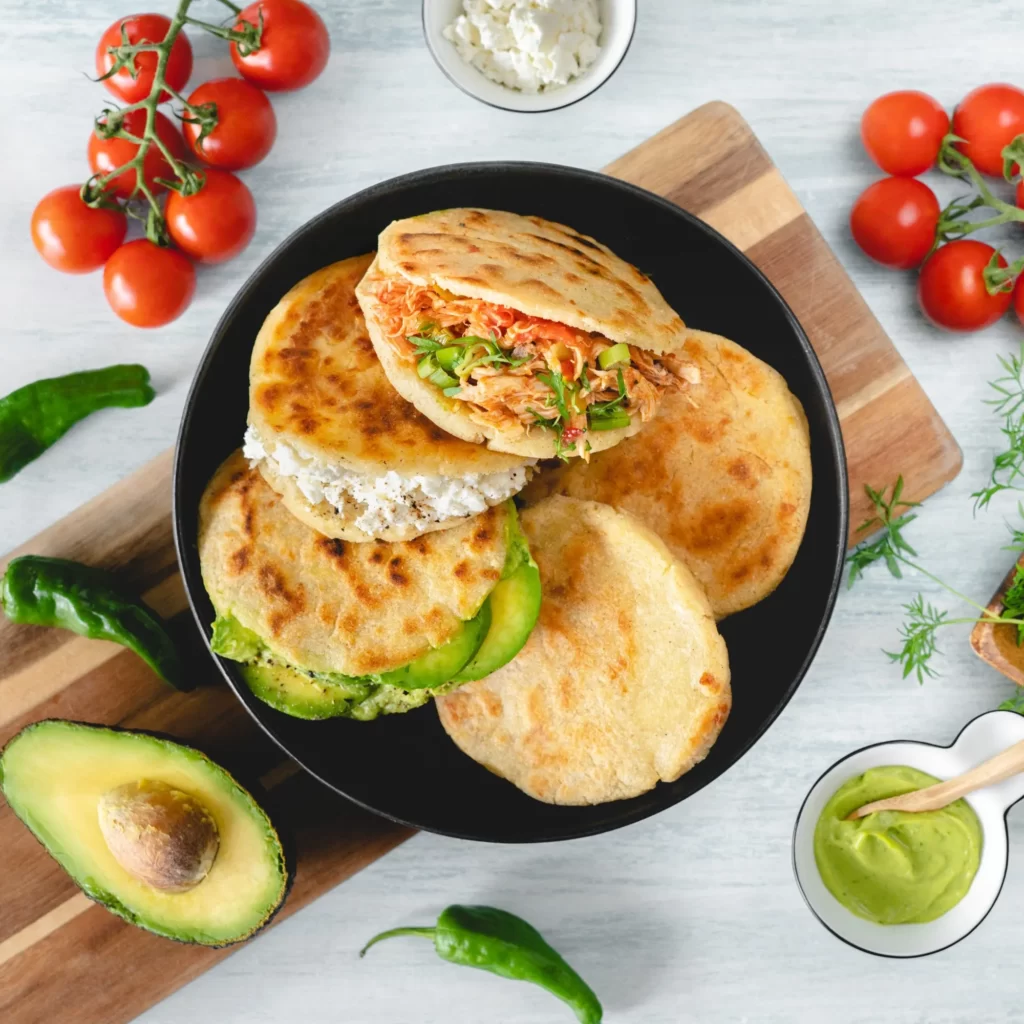
Particularly in Venezuela and Colombia. These delicious cornmeal cakes are versatile and can be eaten for breakfast, lunch, or dinner. They are easy to make and can be filled with a variety of ingredients, making them a popular and satisfying dish for all ages. In this blog post, we will explore the history and cultural significance of arepas, as well as provide a step-by-step recipe for making them at home. History and Cultural Significance of Arepas The origins of arepas can be traced back to pre-Columbian times, when indigenous peoples in what is now Colombia and Venezuela used ground maize to make a variety of dishes. The Spanish colonizers also brought wheat flour to the region, which was later incorporated into the recipe for arepas. Today, arepas are considered a national dish in both Colombia and Venezuela, and are popular throughout Latin America and beyond. Arepas are an important part of the cultural heritage of Venezuela and Colombia. They are often eaten at family gatherings, as well as at street food stalls and restaurants. They are also a common food item at festivals and other cultural celebrations. In addition, arepas have gained popularity in other parts of the world, with restaurants serving them in cities such as New York and London. Recipe for Making Arepas Making arepas at home is easy and requires only a few ingredients. Here is a step-by-step recipe: Arepas Ingredients Arepas Instructions & Preparation Filling Ideas for Arepas Arepas can be filled with a variety of ingredients, making them a versatile and satisfying dish. Here are some filling ideas: Arepas Cooking Time and Tips The cooking time for arepas can vary depending on the size and thickness of the cakes. Generally, arepas should be cooked for about 5-7 minutes on each side, or until they are golden brown and crispy. Cooking arepas can be a bit tricky, as it can be difficult to get them to cook evenly and be crispy on the outside without being dry on the inside. Here are some tips for cooking arepas to perfection: Conclusion Arepas are a delicious and versatile dish that are enjoyed by people all over Latin America and beyond. They are easy to make at home and can be filled with a variety of ingredients to suit your taste. With the right ingredients and techniques, you can make arepas that are crispy on the outside, tender on the inside, and bursting with flavor. So why not give them a try and add a little bit of Latin American flair to your cooking repertoire?
Peruvian Ceviche: A Refreshing and Flavorful Dish
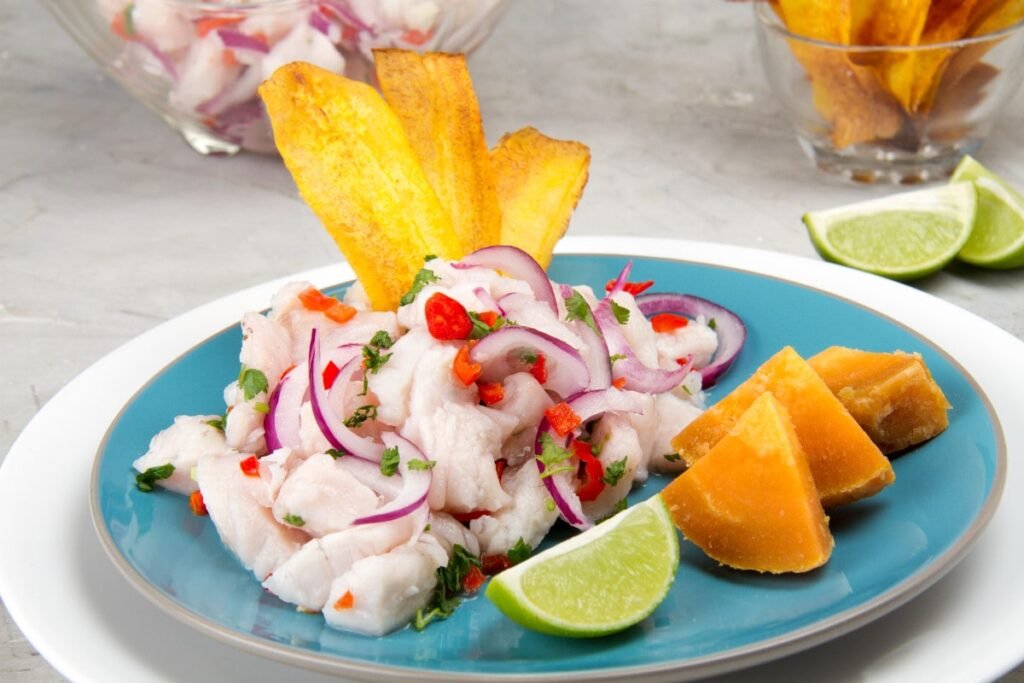
Peruvian cuisine is known for its fusion of indigenous, Spanish, African, and Asian influences, and one dish that perfectly embodies this fusion is ceviche. This dish is a staple in Peruvian cuisine and is enjoyed by locals and visitors alike. In this blog post, we will delve into the history, recipe, and cooking time for Peruvian ceviche. The Origins of Ceviche Ceviche has been a part of Peruvian cuisine for centuries and is believed to have originated in the coastal regions of Peru. The indigenous people of Peru, the Incas, were the first to prepare ceviche using fresh fish and other seafood, along with indigenous spices and seasonings. When the Spanish arrived in Peru, they brought with them new ingredients and cooking techniques, which were incorporated into the ceviche recipe. As a result, Peruvian ceviche has evolved over time to become the flavorful and diverse dish that it is today. The Recipe for Peruvian Ceviche Peruvian Ceviche Recipe Ingredients Peruvian Ceviche Recipe Instructions & Preparation Peruvian Ceviche Serving Suggestions Peruvian Ceviche Cooking Time The cooking time for Peruvian ceviche is relatively short, as the lime juice is used to “cook” the fish. The total time from start to finish is approximately 1 hour and 30 minutes, which includes 30 minutes to 1 hour of marination time and approximately 15 minutes for preparation. In conclusion, Peruvian ceviche is a refreshing and flavorful dish that is sure to delight the taste buds. With its diverse blend of indigenous, Spanish, African, and Asian influences, ceviche is a perfect representation of Peruvian cuisine. Whether you are a fan of seafood or just looking for a new and exciting dish to try, Peruvian ceviche is a must-try. More Latin American Recipes More Peruvian Recipes Follow Us on Instagram
Barbecue Ribs Recipe

Barbecue Ribs: A Delightful Dish for All Occasions Barbecue ribs are a classic American dish that have been enjoyed for generations. They are a staple of summer barbecues and cookouts, but can also be made indoors and enjoyed year-round. Barbecue ribs are the perfect dish for special occasions, such as birthdays, holidays, and family gatherings, or for a simple weeknight dinner. What are Barbecue Ribs? Barbecue ribs are cuts of pork that are slow-cooked with a dry rub or sauce, resulting in tender, juicy meat that falls off the bone. They are typically prepared by smoking the ribs over low heat for several hours, until they are fully cooked and infused with the flavors of the rub or sauce. There are several types of ribs to choose from, including baby back ribs, spareribs, and St. Louis-style ribs. Why are Barbecue Ribs so Popular? One reason barbecue ribs are so popular is because of their versatility. They can be made with a variety of rubs, sauces, and marinades, allowing for endless flavor possibilities. Additionally, barbecue ribs are a crowd-pleaser and are sure to be a hit at any gathering. They are also easy to prepare, as they only require minimal prep work and can be cooked in a slow cooker or on a grill. The Secret to Perfect Barbecue Ribs The secret to perfect barbecue ribs is to cook them low and slow. This allows the meat to become tender and infused with the flavors of the rub or sauce. Another important factor is the type of wood used for smoking. Hickory, mesquite, and applewood are popular choices for their distinct flavors and aromas. Finally, it is important to allow the ribs to rest for a few minutes before serving, as this allows the juices to redistribute and enhances the flavor. Barbecue Ribs Recipe Here is a simple recipe for making delicious barbecue ribs in your oven or on the grill: Barbecue Ribs Ingredients Barbecue Ribs Instructions Cooking Time for Barbecue Ribs The cooking time for barbecue ribs will vary depending on the method used, as well as the size and thickness of the ribs. Generally, oven-baked ribs will take 2 1/2 to 3 hours to cook, while grill-cooked ribs will take 2 1/2 to 3 hours.
Paella Recipe
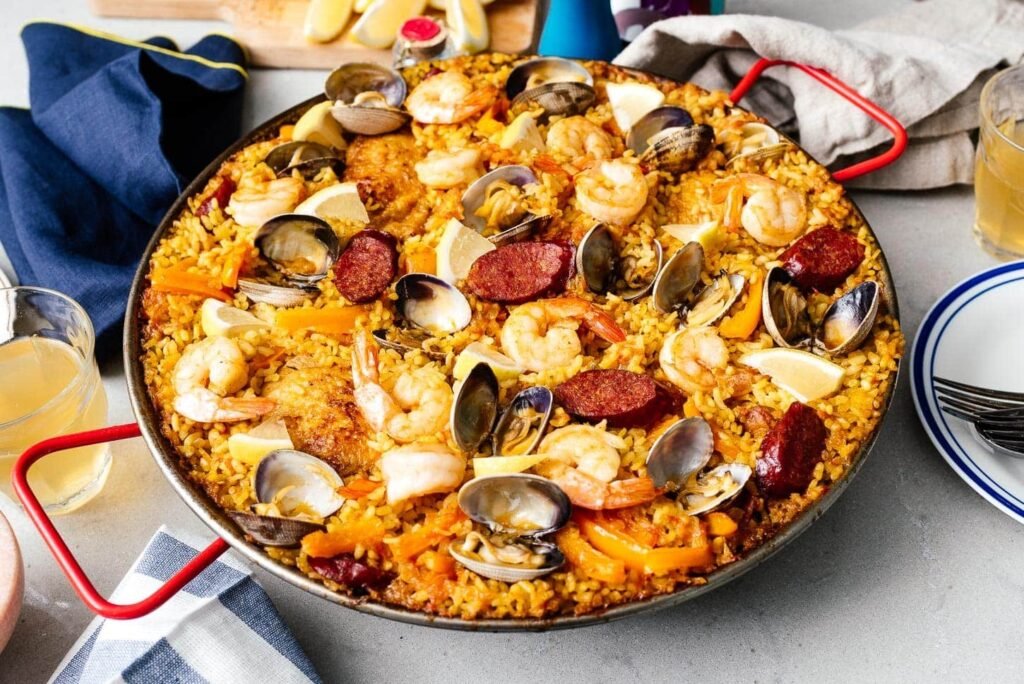
Paella is a traditional Spanish dish that is enjoyed all over the world. Originating from the Valencian region of Spain, Paella is a one-pan meal that has been enjoyed for centuries. It is a flavorful, hearty and delicious dish that is perfect for family gatherings, special occasions and even just a weeknight dinner. The word “paella” actually refers to the shallow, round pan that the dish is traditionally cooked in. However, the term has come to be associated with the dish itself, which is a combination of rice, saffron, and a variety of other ingredients such as chicken, rabbit, shellfish, beans, and vegetables. One of the great things about paella is that there are countless variations of the dish, so you can customize it to your tastes. Some popular variations include seafood paella, vegetarian paella, and mixed paella. Despite its many variations, the traditional paella recipe remains the most popular and is what we will focus on in this blog post. Paella Ingredients To start, gather all the ingredients you will need. This includes: Paella Instructions & Preparation Once you have all your ingredients ready, it’s time to start cooking. To begin, heat a large paella pan or a wide shallow skillet over medium-high heat. Add the chicken and rabbit to the pan and cook until browned on all sides. Remove the chicken and rabbit from the pan and set aside. Next, add the onions and red bell pepper to the same pan and cook until they are soft and translucent. Add the minced garlic and cook for an additional minute. Stir in the paprika, turmeric, cumin, saffron, salt, and black pepper. Then, add the diced tomatoes and green beans to the pan and stir to combine. Pour in the chicken broth and bring to a boil. Reduce the heat to low and let the mixture simmer for about 10 minutes. While the mixture is simmering, rinse the rice in cold water and drain. Once the mixture has simmered for 10 minutes, add the drained rice to the pan. Stir the rice into the mixture and make sure that it is evenly distributed. Now, it’s time to add the chicken, rabbit, and squid rings to the pan. Stir them into the mixture and make sure that they are evenly distributed. Pour in the white wine and lemon juice. Let the mixture simmer for about 5 minutes. Finally, add the frozen peas to the pan. Stir the peas into the mixture and let the paella cook for an additional 10-15 minutes, or until the liquid has been absorbed and the rice is cooked through. Do not stir the mixture during this time as it will disrupt the formation of the delicious crispy layer of rice.
Fried Rice Recipe
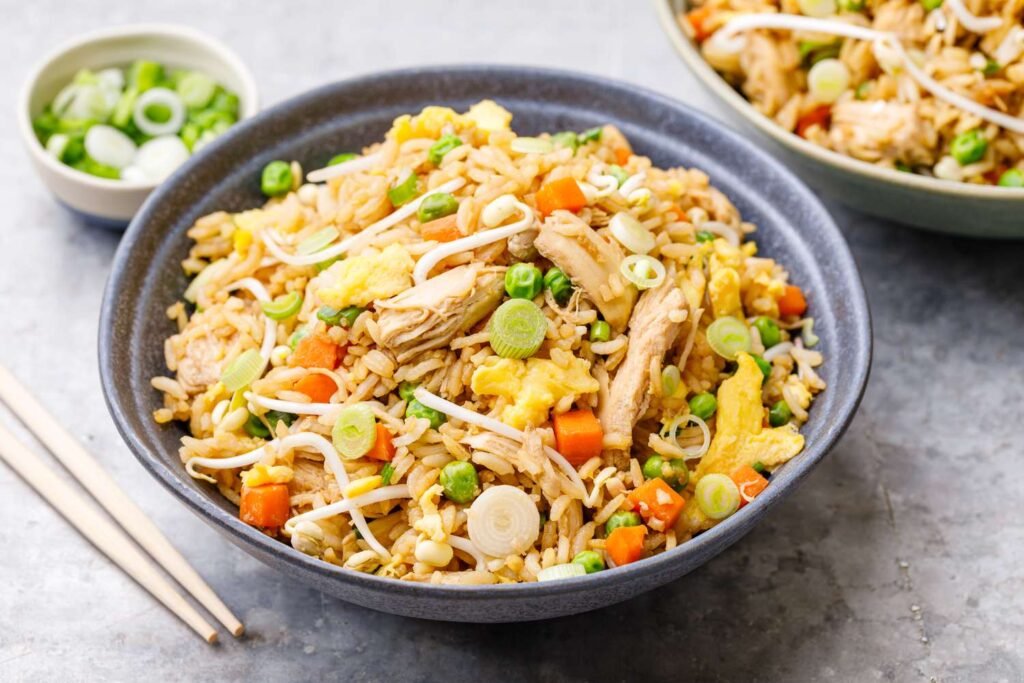
Fried Rice is a staple dish in Chinese cuisine that is made with cooked rice that is stir-fried with a variety of ingredients such as vegetables, meats, and sauces. The dish is simple to make, yet packed with flavor and texture, making it a popular dish all over the world. Fried Rice can be made with almost any type of rice, but the best type to use is leftover rice that has been refrigerated overnight. This allows the rice to dry out, which makes it easier to stir-fry and prevents it from becoming mushy. Here’s a classic recipe for Chinese Fried Rice: Fried Rice Ingredients Fried Rice Instructions & Preparation The cooking time for this Chinese Fried Rice recipe is approximately 20 minutes, making it a quick and easy dish to make for a busy weeknight dinner. You can also add in any other ingredients you like, such as diced ham, cooked chicken, or shrimp, to make the dish more filling and hearty. In conclusion, Chinese Fried Rice is a classic dish that is enjoyed by people all over the world. Its simplicity, versatility, and flavor make it a popular choice for a quick and satisfying meal. Whether you’re looking to make a meal for one or feeding a crowd, Chinese Fried Rice is sure to please everyone at the table.
The Art of Sushi: A Guide to Making Delicious Sushi at Home
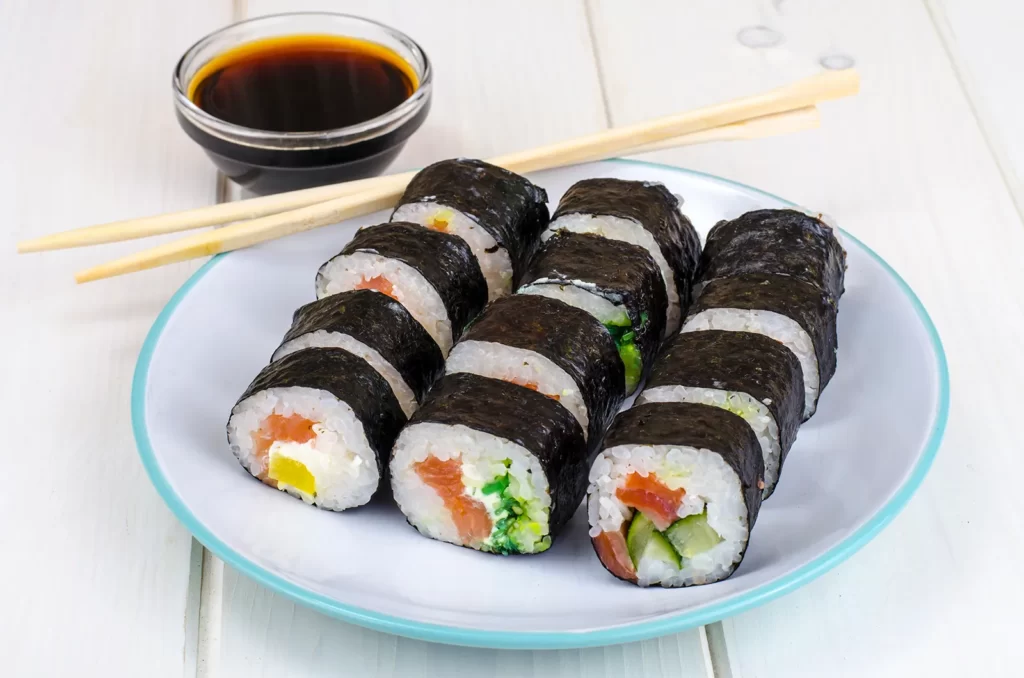
Sushi is a traditional Japanese dish that is made with vinegared rice and a variety of other ingredients such as seafood, vegetables, and egg. The dish has a rich history that dates back to ancient Japan and has since become a popular cuisine all over the world. There are many different types of sushi, but the most popular include maki rolls, nigiri, and sashimi. Maki rolls are made with a layer of rice and fillings that are wrapped in seaweed. Nigiri is made with small mounds of rice that are topped with a piece of seafood or other ingredient. Sashimi is simply sliced raw seafood that is served with a dipping sauce. Here’s a simple recipe for maki rolls: Sushi Ingredients Sushi Instructions & Preparation The cooking time for this maki roll recipe is approximately 30 minutes, including the time it takes to prepare the rice and fillings. Sushi can be a fun and creative dish to make at home, and there are endless possibilities for fillings and combinations. Whether you prefer a classic combination of avocado and crab meat or something more unique, the key to making delicious sushi is to use high-quality ingredients and to be careful not to over-stuff the rolls. Overall, sushi is a delicious and healthy dish that is enjoyed by people all over the world. Whether you’re a fan of Japanese cuisine or just looking for a light and flavorful meal, sushi is a dish that is sure to satisfy.